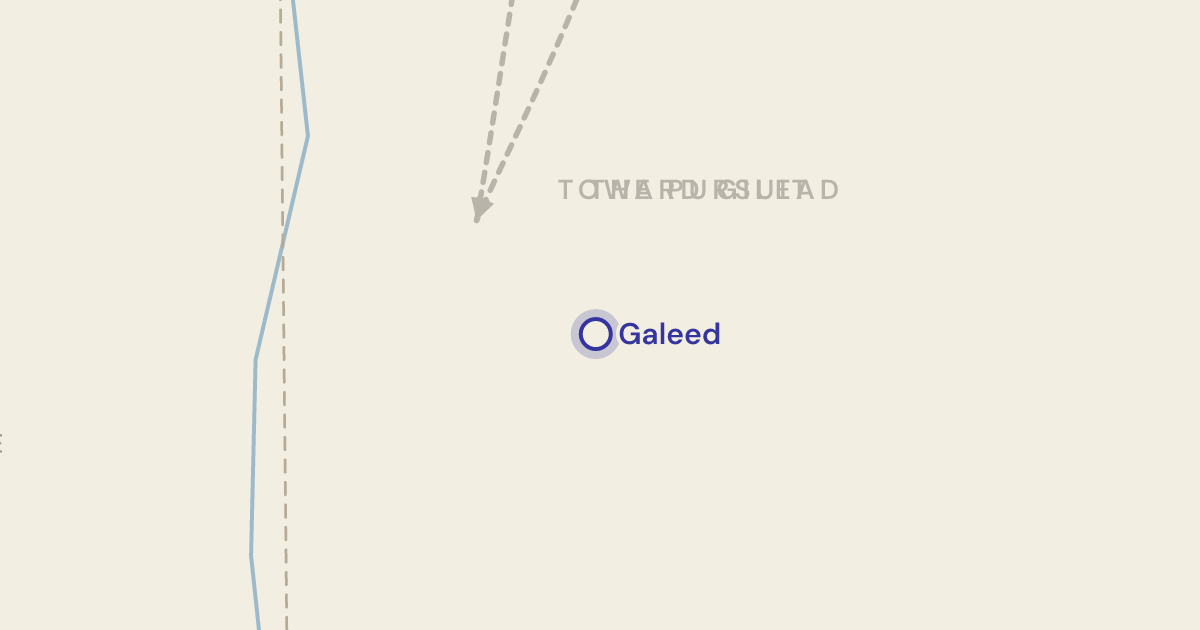
Genesis 31:47: One heap of stones, with a name in each man's language
Read it →Commentary on Genesis 31:47
Jacob leaves Laban, and Laban chases after him. The two men part at a heap of stones, and each names that heap in his own language. The two names mean the same thing, so why did the moment need a monument at all?
Two names, one meaning
The heap gets a double title because two languages meet at it. Laban's word is Aramaic, and one reference work explains it simply:
This is the Aramaic name Laban gave to the heap of stones set up as a witness between him and Jacob. Jacob called it GALEED. Both names mean the same thing: a heap of witness.
Nothing changes in translation. Each man says the same thing over the same stones.
The oldest trace of Aramaic in Scripture
Laban's word is the first Aramaic in the Bible. One reference work sets out where that language belonged:
Aramaic is the language of Aram. It takes in both Chaldean and the language of Syria. Its true home was Mesopotamia, Babylonia and Syria. The first time we meet it in Scripture is Genesis 31:47. There Laban called the heap of witness 'Jegar-sahadutha,' which is Chaldean, while Jacob gave it a Hebrew name, 'Galeed.'
The two names also point back to Abraham. One writer notes that Abraham's family took up the language of the land they had moved to:
Hebrew was the language of Palestine. The names of places and people there, from before Israel owned the land, show this. Hebrew was the language Abraham and his descendants took as their own. The difference between Jacob's language and that of Laban the Mesopotamian shows it plainly (Gen. 31:47).
A monument to broken trust
The heap says something about the two men. One commentator sets it beside an earlier pillar Jacob had put up:
Jacob sets up his second pillar. His first was in Genesis 28:18, where he made his vow in the strength of the flesh. That was a pillar of confidence in the flesh. This pillar is the opposite. It is a memorial of broken trust between relatives, and it tells us that the flesh has proved it cannot be trusted. A heap of stones makes the point stronger. Both Laban and Jacob call it a "heap of witness" — Laban in the Chaldean language, Jacob in Hebrew (v. 47).
Laban is the one who asks for the covenant. One writer finds the reason in Laban's own heart:
Laban, instead of crushing Jacob, begs him for a covenant. Laban did not fear God, so he had no confidence even in his own closest relative. But how much Jacob had to learn, as he weighed his old self-seeking and scheming before Jehovah!
A boundary marker between two ways of life
The heap is also a boundary. The two men separate there. One writer takes that parting as a picture of what spiritual growth does to a person's ties with the world:
But Jacob's prosperity turns Laban against him, just as spiritual growth separates a person from the world. Then comes God's call to return to Canaan. Laban can no longer get along with Jacob, and Jacob's leaving makes him openly hostile — just as the world feels the sting of separation, though there can be no more fellowship. Laban follows Jacob. God appears for Jacob and shields him. In the end Jacob leaves in peace, with a covenant between him and Laban at Galeed, the "heap of witness."
Why a heap and not a promise
A pile of stones does one thing no spoken promise can do: it stays. The name itself says why:
A heap of witness exists for one purpose: to make forgetting impossible.
Commentators differ on how much to draw from the scene. Some stay with the language and the history. Others read the heap as a picture of separation from the world. All agree on the plain sense of the two names.
Summary
- Witness. Jegar-sahadutha and Galeed are one phrase in two languages: a heap of witness between Jacob and Laban.
- Witness in two tongues. Laban speaks Aramaic, Jacob Hebrew. This is the first Aramaic in the Bible. It shows that Abraham's line had taken up a different language from their relatives in Mesopotamia.
- Witness because trust died. Jacob's first pillar marked a vow. This one marks broken trust between relatives, and proves the flesh cannot be trusted.
- Witness because Laban feared no God. Laban asks for the covenant. A man who does not fear God cannot trust even his own family.
- Witness that outlasts memory. A heap of witness exists to make forgetting impossible. There Jacob leaves in peace, separated from the world he had prospered in.