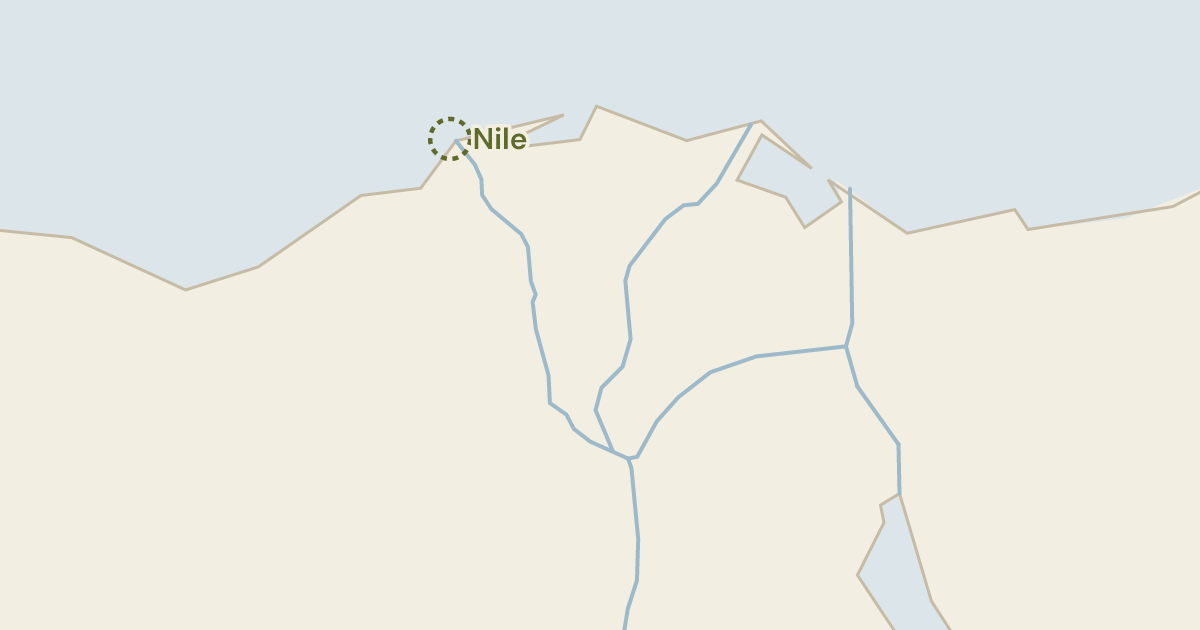
Exodus 2:3: A basket in the reeds, on the river every Hebrew son was ordered thrown into
Read it →Commentary on Exodus 2:3
Pharaoh had ordered every Hebrew boy thrown into the Nile, and after three months Jochebed could hide her son no longer. Was the little basket she built a mother's last desperate act, or an act of faith?
What the Ark Was Made Of
She built the basket from the river's own reeds, and sealed it twice over.
The little boat or cradle in which his mother placed Moses. It was made of bulrushes — or rather the paper-reed, papyrus, which grew in the river Nile. It was daubed with slime and with pitch. That most likely means she first covered it with wet earth or clay, and then with bitumen. God answered the faith of the parents, and Moses was drawn out of the water to be the saviour of His people.
The Word "Ark"
One writer looks at the word itself, and at the story the mother may have had in mind.
It was an ark, we read. Scripture uses that word in only one other place, for the vessel Noah prepared to save himself and his house. Perhaps she knew the story of the flood, which that same child would later write down in words taught by the Holy Spirit. Her faith rose to the emergency. She would place the infant in an ark, sure that her child might escape a doom that otherwise looked certain, just as Noah and his family had been kept safe in one.
The Pitch and What It Confessed
For one writer the verse holds two things: what the moment cost the parents, and what the coating on the basket meant.
The parents had to know death — at least as a symbol — both for themselves and for their child, before he could become an instrument in service for God.
Noah acted under divine direction, and so the word used there for pitch also means a ransom. That hints at the truth that a ransom must be found to deliver from the waters of judgment. But this Hebrew mother used pitch of another kind, and so did not know the full truth. Yet she confessed the need of redemption. Her faith owned it. So her ark of bulrushes, with its precious cargo, floated in safety among the reeds on this river of death.
Not Nature's Idea
Was the basket only a frightened mother's idea? One writer says no.
How could we ever suppose that the "ark" was devised by one who saw no future for her child but death by drowning? Impossible. We can only see that meaningful structure as a cheque that faith wrote and handed in at the bank of the God of resurrection. The hand of faith designed it as a vessel of mercy. It was to carry that fine child safely over death's dark waters, into the place the unchanging purpose of the living God had assigned him.
Obedience and Defiance in One Act
Her action does what the king demanded — and defeats it.
Pharaoh had commanded all his people, "Every son that is born you shall cast into the river." Jochebed obeys the king. She agrees that his command applies to her son, and she casts him into the river. But he is hidden in an ark, so not one drop of those waters of death can touch him. And God richly honours her faith.
A Different Reading
Commentators differ here. One reads "she could hide him no longer" as the point where the parents' faith ran out, and what follows as mercy rather than reward.
Their faith lasted three months. While they had faith they hid him — they kept their beautiful child. At the end of three months they cast him out; they "could hide him no longer." Had they not come to the end of their faith? ... The thing desired was the child's life, and it is preserved. Protection comes from the least expected quarter — the palace. But Scripture does not present a home in Pharaoh's house as an answer to faith... Faith was powerful as long as faith was there. When faith was not there, God's mercy was, and it showed even more clearly than in the day of faith.
Summary
- Ark — the word ties this basket to Noah's vessel. Scripture uses it nowhere else: one purpose, salvation through water.
- Pitch — the coating kept death out. It was faith's confession that a ransom must stand between the child and the waters of judgment.
- Reeds — she built from what the Nile itself grew, turning the river of death into the material of rescue.
- River — she obeyed Pharaoh's words and cast her son into the Nile. In obeying, she overturned his decree.
- Resurrection — she handed her child to the God who raises the dead. Where her faith ran out, His mercy did not.