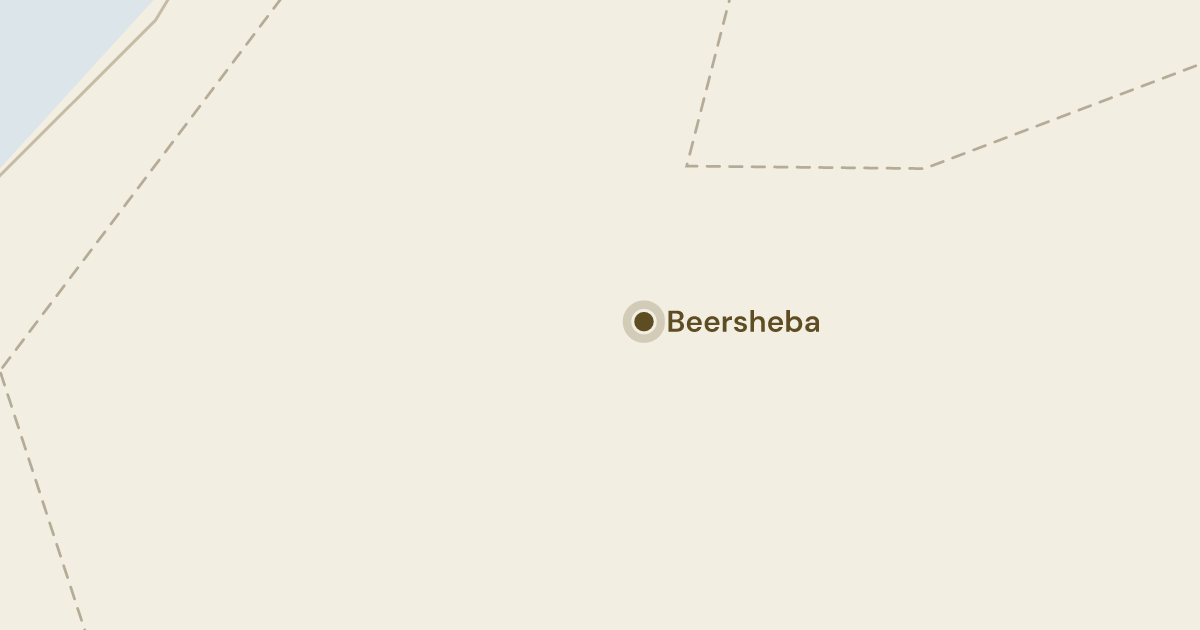
Genesis 21:33: A tree that takes fifty years, planted by a man who lives in a tent
Read it →Commentary on Genesis 21:33
Genesis 21 ends quietly. Abraham makes a treaty with Abimelech, a neighbouring king, secures a well, plants a tree at Beersheba, and worships. The small act carries a large meaning. So does the name he uses for God here — a name not used before.
The tree
The Hebrew word behind "tamarisk" is eshel, and the tree Abraham planted was a memorial.
eshel means a tamarisk, or perhaps any large tree. Abraham planted a memorial tree in Beersheba, and called there on the name of the LORD. Gen. 21:33.
One writer, a farmer himself, reads the act the way any farmer would:
In chapter 15:18 God tells Abraham that he will have this land. Then at the end of chapter 21 something very special happens — Abraham plants a tree. As a farmer I know what that means. When a farmer plants a tree, he is saying, "this land belongs to me." So, as a picture, he takes possession of this land. God will give this land to Israel. Go back to chapter 15:18 and you see that God made a covenant with Abraham, and it is because of this covenant that He gives him this land.
The name
Abraham has known God under other titles. The title he uses now fits the moment he has reached — the promised son has arrived.
When God gave the promise of Isaac, He made Himself known as the Almighty. Now that the promised heir is born and the promise kept, Abraham knows Him as the Everlasting as well as the Almighty. Abraham had to wait for the promise to come true. Man lives only a few short years, so waiting is very hard on the flesh. But to God, the Everlasting One, time is not the main thing. He moves with steady, sure steps to accomplish what He has purposed and promised.
Another writer links the title to the land itself:
In chapter 21 we see Abraham planting a tree — a boundary marker of the land, I suppose. There we hear of "the everlasting God," because God was there, the One who secures the land for ever to His people. The LORD is the everlasting God, and when He gives a promise, He is sure to make it good in the end.
From stranger to settler
Until now a tent and an altar have marked Abraham's life. Here the pattern changes:
Abraham gives the name Well of the Oath as the lasting sign of the covenant made there and then. As a picture it is a complete change from being a stranger to holding possession, as it will really be in the days of the coming Kingdom. We hear of no tent now, though Abraham's calling on the name of the LORD implies a fresh altar here… Here alone comes the striking change, which only inspiration can explain, to "God everlasting." So it will be when the Kingdom is displayed in power and glory. Things that fall and fade will then give place to permanence, peace and blessing.
A picture of the age to come
Several writers read the closing scene — treaty, well, tree, worship — as a preview of what is coming. The foreign king now comes asking Abraham for terms:
In short, the foreign king asks for the goodwill and protection of Abraham, who, as we are told here, "planted a tamarisk tree in Beersheba and called there on the name of the LORD, the Everlasting God." Clearly, then, we are shown here in a figure the heir of the world. Deeper relations are not yet in view; even so, it is the heir not merely of the land of Palestine but of the world who comes before us here. So the LORD is presented in a character not named before, the everlasting God (El-olam)… Then the nations will seek the protection of the faithful; then the LORD will show Himself the God of ages, the guardian and blesser of the true Heir.
The kind of tree matters to the picture:
Abraham called the place "Beersheba" — "well of the oath" — because he and Abimelech both swore an oath to each other, clearly a covenant of peace… In keeping with this, Abraham planted a tamarisk tree there (an evergreen) and "called there on the name of the LORD, the Everlasting God." It pictures a true, lasting peace that only the everlasting God can establish, and we know it is still future.
These writers offer the scene as a picture, not as a claim about what Abraham himself had in mind.
Summary
- Promise — God made a covenant with Abraham long before, giving him this land. Everything at Beersheba rests on it.
- Possession — planting a tree is the act of a man who intends to stay: a quiet claim on ground God had already given.
- Permanence — the new title, the Everlasting God, answers the long wait. Time is not the main thing to Him; He moves with sure steps to what He has promised.
- Peace — the well of the oath, the treaty with a foreign king, and the evergreen tree picture a rest that is still future.
- Prospect — Abraham stands here as heir of the world, not only a wanderer. The nations seek his favour. It is a preview of the Kingdom the everlasting God will bring in.