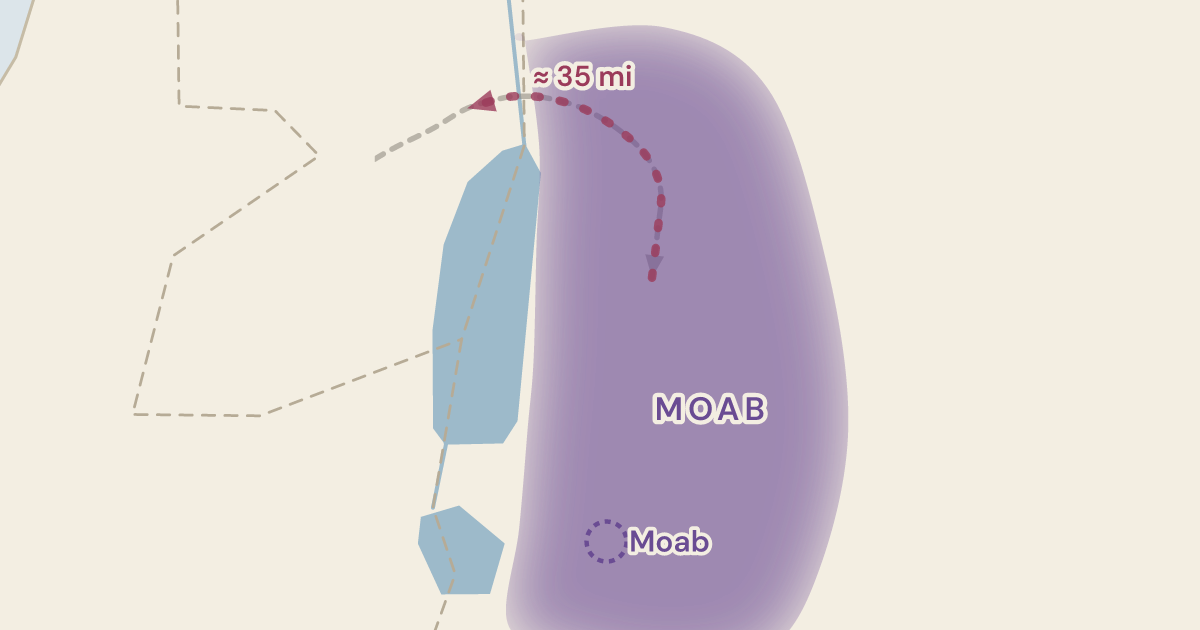
Ruth 1:6: Three widows in Moab, and news that there is bread in Judah again
Read it →Commentary on Ruth 1:6
Naomi has buried her husband and both her sons in Moab. This verse is the turning point: news reaches her from home, and she gets up to go back. Commentators ask what moved her — the emptiness of Moab, or the report of what God had done in Bethlehem. (Where the ESV reads "given them food," older translations read "bread," and the writers quoted below use that word.)
A visit from God, not a better harvest
The news Naomi hears is not that harvests improved but that the LORD acted. One writer makes this single fact the foundation of the whole book, and follows the phrase forward to the Messiah.
On hearing the news that the Lord had shown grace to His people, Naomi rose up and set out to return to her own land. Israel's condition had not changed. But God Himself had ended the days of judgment He had sent on the nation. This poor widow, weighed down by grief, could hope again for better days. As we have said, grace is the first and dominant note of Ruth. Every blessing in this book depends on one thing: "the LORD had visited His people to give them bread." The Old Testament uses this well-known expression for the blessings the Messiah will bring to Israel: "I will abundantly bless her provisions; I will satisfy her poor with bread" (Psalm 132:15). If only the nation had wanted them, these blessings would have been hers for good when Christ appeared among them, multiplying bread for five thousand and for four thousand men.
What drew her back
Loss had not moved her. A report of plenty did. That distinction decides what we think brings a wanderer home.
What moved her to return? Was it the sorrows she had endured and the losses she had sustained? No! It was the good news of the Lord's grace that drew her back... Sorrows will not move us to return to the Lord. They may teach us how bitter it is to wander, and so prepare the heart to listen to the good news concerning the Lord and His grace to His people... And with the Lord before her she is lifted above all her failure, and she rose to return.
Grace that follows the wanderer
The message travelled to where she was. Another writer sets that beside the son in Jesus' parable who remembered his father's house.
Though she had left the Lord, He had not left her. The prodigal heard there was bread enough in his father's house. In the same way the report reached Naomi: "the Lord had visited His people and given them bread." And, like the prodigal, "she set out from the place where she was." Wonderful indeed is the grace of our God, who never forsakes the wanderer, but draws and restores with cords of love.
Bread only at the house of bread
Notice where the bread is — and where it is not.
How gracious the Lord is to spare her to the last! Now that she is free to do as she wishes, she hears a message: the Lord has visited His people and given them bread — not in Moab but "in the land." Bread is found only "at the house of Bread" (the meaning of Bethlehem), and it is for all God's people. Naomi hears this glad message and she believes it.
A mixed motive
Commentators differ on how pure Naomi's turning was. Some read it as grace drawing her; another sees a self-interested motive.
But the rekindling of faith makes at first only a feeble flame, with more smoke than light. A selfish motive makes her return, much like the one that stirred the prodigal to turn his face toward his father's house. There does not seem to have been any sense of wrong in having left the "house of bread," or of having sinned in turning to the people of Moab. Even our repentance has nothing in it that we can boast of — all is tainted.
The report a foreigner overheard
Naomi was not the only one who heard. The same report reached Ruth, a Moabite. One writer takes it forward to the message preached today.
Ruth was a sinner in the far-off country of the Moabites. There she heard the good report, "that the LORD had visited His people and given them bread." She believed this report. This testimony of the goodness and mercy of the God of Israel won her heart and stirred her whole soul. And, dear reader, what is the report now? Is it not that God has sent His Son to be the Saviour of the lost? Is it not that He has provided "living bread" for poor, dying, perishing sinners?
Summary
- Visit — God acts first. The famine ends because the Lord visits His people, and every blessing in Ruth traces back to that visit.
- Report — the news travels to Moab and reaches Naomi there. God never forsakes the wanderer, but draws and restores with cords of love.
- Draw — losses did not bring Naomi home; hearing of plenty did. Sorrow prepares the heart, but grace moves the feet.
- Place — bread is given in the land, not in Moab; the "house of bread" is where God feeds His people, and it is for all of them.
- Reach — the same report won Ruth, an outsider from Moab. The report now is that God has sent His Son, the living bread for dying sinners.