Genesis 26:20: The first well, named for the argument about it
Read it →Commentary on Genesis 26:20
Isaac's servants dig in a valley and strike fresh water, and at once the local herdsmen claim it. The name he gives the well records the quarrel, not the victory — and that choice tells us much about the man and about what God was teaching him.
The name of the well
Here is the well in short — where it was, who dug it, and how it got its name.
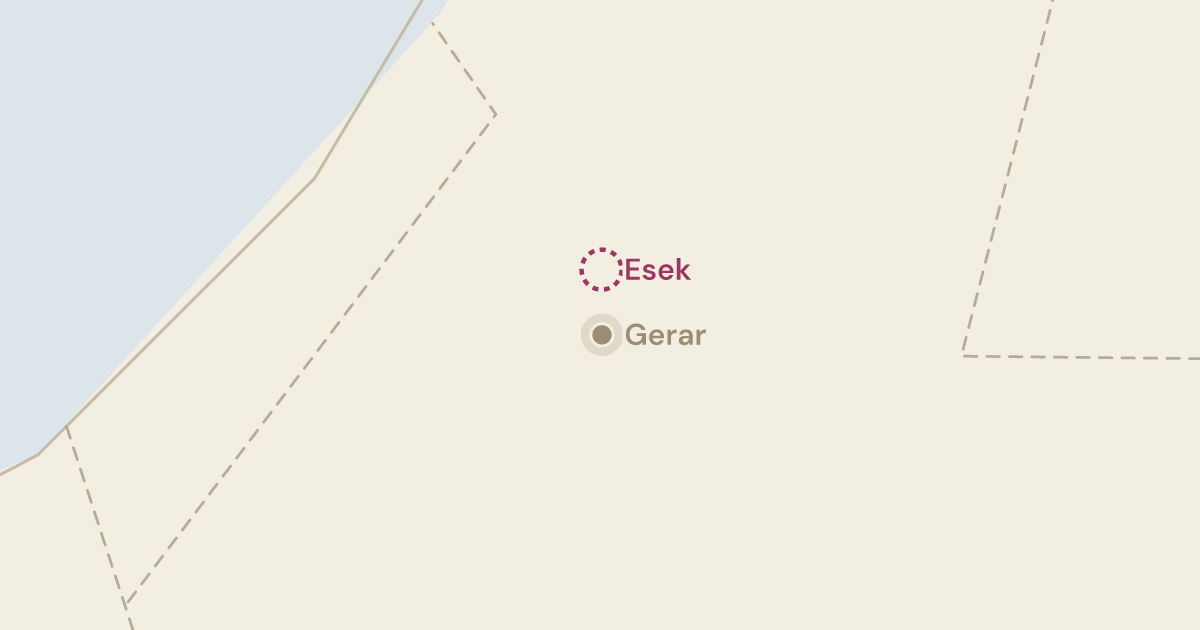
A well in the valley of Gerar, dug by the servants of Isaac, and fought over by the servants of Abimelech; so it got its name, which means "strife." Gen. 26:20.
Two claims on one well
Both sides had a claim to the water. One writer traces the trouble to that clash.
Of all disputes, perhaps the hottest are those that break out between herdsmen and herdsmen, among the flock of God. The right that came from digging clearly belonged to Isaac, for his servants found the well of flowing water. But the right that came from owning the land still belonged to Abimelech. Out of this came the confusion and strife of that day. The same clash keeps the quarrels among herdsmen going today.
Digging instead of fighting
Isaac names the strife but does not join it. A commentator sets his response beside a rule for the Lord's servants.
Isaac's servants dug in the valley and found a spring of living water. But the herdsmen of Gerar fought over it, claiming that the water was theirs. Isaac named the spring Esek, meaning "contention," but "the Lord's servant must not be quarrelsome" (2 Tim. 2:24). So instead of continuing the strife, Isaac dug another well.
Another writer weighs what that restraint says about Isaac's character.
But Isaac did not turn from the meekness that suits the man of God, gentle to all, and patient with those who opposed him. Nor was his dependence on God left long without an answer. For moving on from there he dug another well, and they did not quarrel over that one. Contention was as far from his spirit as ingratitude would have been toward the Almighty Protector of the man who must not strive.
Strife as God's teaching
The three wells form a sequence. One writer reads it as God moving Isaac out of a place outside his calling.
A slow and painful process teaches Isaac that he must leave the land of the Philistines for good. Each well he had to dig marks a stage in that process. First came "contention"; then "hatred"; then "room." Having found "room," and shut out from the company that hampered him, he moves on to Beersheba, at the edge of the land. He again takes the place of a stranger and pilgrim, depending on God; and the moment he does, he gets his reward. "The Lord appeared to him the same night," and blessed him. The discipline had produced sanctification, and he builds an altar and worships. It had taught him one lesson: better to have a little with God than great possessions in a place outside his calling.
The wells and Christ
The digging carries a picture beyond Isaac's own lifetime.
The Philistines had blocked the wells (v. 15) and filled them with earth. Isaac dug them out again (v. 18), and "he called their names after the names by which his father had called them." Later there were "Philistines" who tried to destroy Christ, and for a time they seemed to succeed in blocking the streams of blessing. But Isaac (Christ in resurrection) unstops the fountains of grace, and he calls them by the same names. That is, Christ in resurrection carries on His usual work of mercy on the same essential principles as from the beginning.
The danger of endless quarrelling
A warning follows, for those who argue for years instead of moving on.
These two wells, Esek and Sitnah, set instructive lessons before us. How many of the Lord's people shrink from separation as they would from a snake! They keep on with the quarrels and disputes, until the arguers grow worn out by everything that first gave their conflict its character. Then they give in, and say when they are fainting that the birthright is of no use to them — and sell it like Esau for a bowl of stew!
Summary
- Esek — the name means "strife." It marks the well Isaac's servants dug in the valley of Gerar and Abimelech's servants claimed.
- Two claims — Isaac's right came from digging; Abimelech's came from owning the land. Commentators note that the hottest disputes break out between herdsmen and herdsmen among God's flock.
- Digging, not disputing — Isaac answers the claim by moving on and digging again. He keeps the meekness of a man who depends on God.
- Room — contention, then hatred, then room, then Beersheba. God used the loss to bring Isaac out of Philistine land into worship and blessing.
- Reopened wells — blocked springs opened again picture Christ in resurrection. He unstops the fountains of grace and works on the same principles as before.