Esther 9: Two days of fighting in Susa, and the feast of Purim
Read it →On the thirteenth of Adar, the day Haman had set for their destruction, the Jews defend themselves in every province. In Susa the citadel they kill five hundred men and Haman's ten sons, and at Esther's request the king grants the Jews of Susa a second day, the fourteenth. The Jews of the provinces rest and feast on the fourteenth, those in Susa on the fifteenth, which is why the chapter's account of the dates turns on Susa. Mordecai and Esther then write to fix the two days as Purim, named after the lot Haman cast.
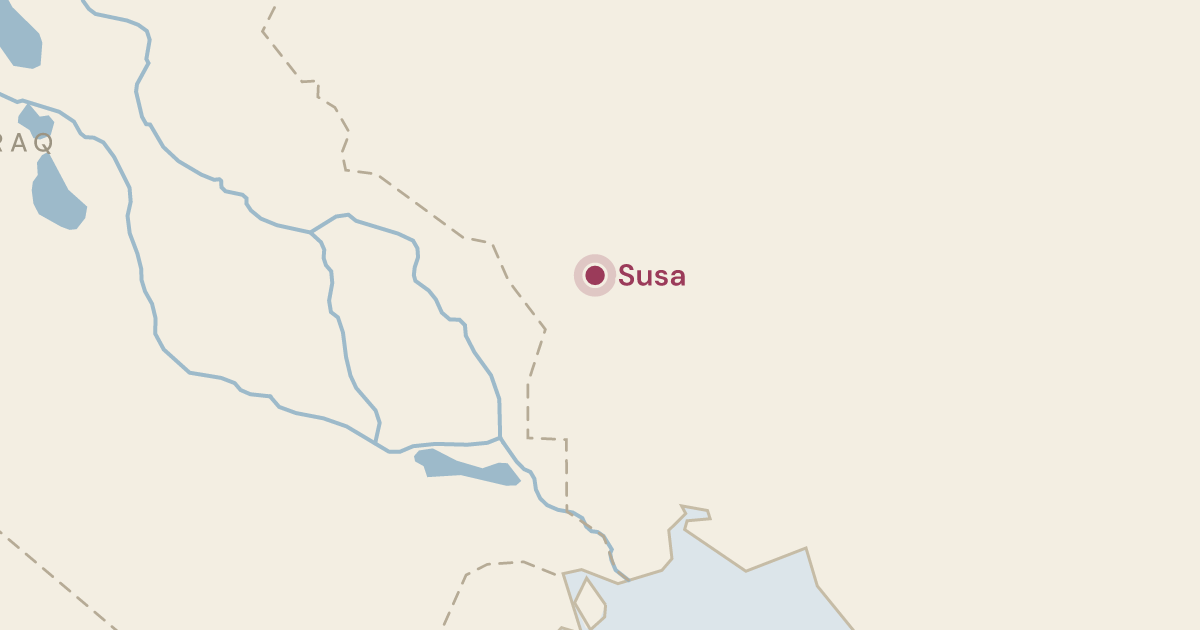
Regions on this map
Verses 6 to 18: the citadel and the city, where the fighting runs a day longer than anywhere else.
The winter capital of the Persian kings, on the plain of Elam below the Zagros, and the stage for the whole book. The ESV's “Susa the citadel” is the fortified royal quarter on its mound, set apart from the city around it. All 500 votes put it at modern Shush, in Iran's Khuzestan.
Today: Shush, Khuzestan, Iran
Esther 9, verse by verse
- Esther 9:6In the citadel itself the Jews killed and destroyed 500 men,
- Esther 9:11That very day the number of those killed in the citadel was reported to the king.
- Esther 9:12And the king said to Queen Esther, “In the citadel the Jews have killed and destroyed 500 men and also the ten sons of Haman. What then have they done in the rest of the king's provinces! Now what is your wish? It shall be granted you. And what further is your request? It shall be fulfilled.”
- Esther 9:13And Esther said, “If it please the king, let the Jews who are in be allowed tomorrow also to do according to this day's edict. And let the ten sons of Haman be hanged on the gallows.”
- Esther 9:14So the king commanded this to be done. A decree was issued in , and the ten sons of Haman were hanged.
- Esther 9:15The Jews who were in gathered also on the fourteenth day of the month of Adar and they killed 300 men in , but they laid no hands on the plunder.
- Esther 9:18But the Jews who were in gathered on the thirteenth day and on the fourteenth, and rested on the fifteenth day, making that a day of feasting and gladness.