Esther 10: Mordecai, second to the king of Persia and Media
Read it →The shortest chapter in the book closes it by putting a tax on the land and the coastlands of the sea, and by sending the reader to the book of the chronicles of the kings of Media and Persia for the rest of Ahasuerus's acts and of Mordecai's greatness. Mordecai the Jew is second in rank to the king, great among the Jews, and seeks the welfare of his whole people.
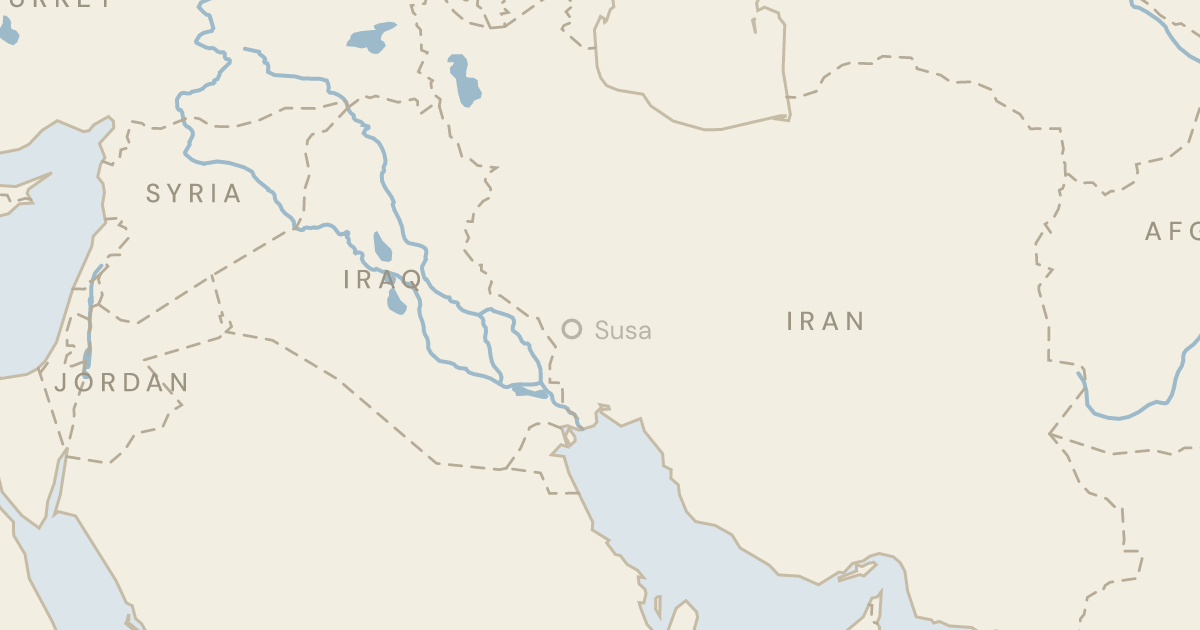
Regions on this map
Verse 2: the kingdom whose royal chronicles record Ahasuerus and Mordecai.
The Persians' own country, Persis, on the plateau north-east of the Gulf: modern Fars, where Cyrus's Pasargadae and Darius's Persepolis stand. Esther names it with Media as the two peoples who rule the empire. The gazetteer files one point for it, at Ecbatana, because it reads the name as the Medo-Persian empire rather than the homeland; the outline is the homeland.
a country, not a site: the one point on record is Ecbatana, which the sources use for the Medo-Persian empire as a whole. The outline of Persis is editorial
Verse 2: named first here, in the old order of the two peoples, Media and Persia.
The Medes' country in the north-western Zagros, around their old capital Ecbatana, now Hamadan. Cyrus took it into his empire, and Esther always names it beside Persia, as the junior partner whose law is bound with Persia's.
a country, not a site: the one point on record is Tell Hagmatana, Ecbatana's mound at Hamadan, which stands for the whole land. The outline is editorial
Verse 1: the farthest reach of the king's tax, across the sea.
The islands and shores of the Mediterranean, the far west of the empire. The Hebrew word is the one Isaiah uses for distant lands across the sea, and the verse uses it to say the king's tax reached even there.
no single place: the phrase names the islands and coasts of the sea as a whole, so nothing is plotted for it
Esther 10, verse by verse
- Esther 10:1King Ahasuerus imposed tax on the land and on the .
- Esther 10:2And all the acts of his power and might, and the full account of the high honor of Mordecai, to which the king advanced him, are they not written in the Book of the Chronicles of the kings of and ?