Numbers 11:34: The graves of craving, a long way from the food they wanted back
Read it →Commentary on Numbers 11:34
Israel had just left Sinai. The camp filled with complaints about food, and God gave them what they demanded. The place where they ate took its name from the graves dug there, and the name still carries a warning.
A Place Named After Its Judgment
The judgment itself gave the place its name. One writer sets it in the order of the journey:
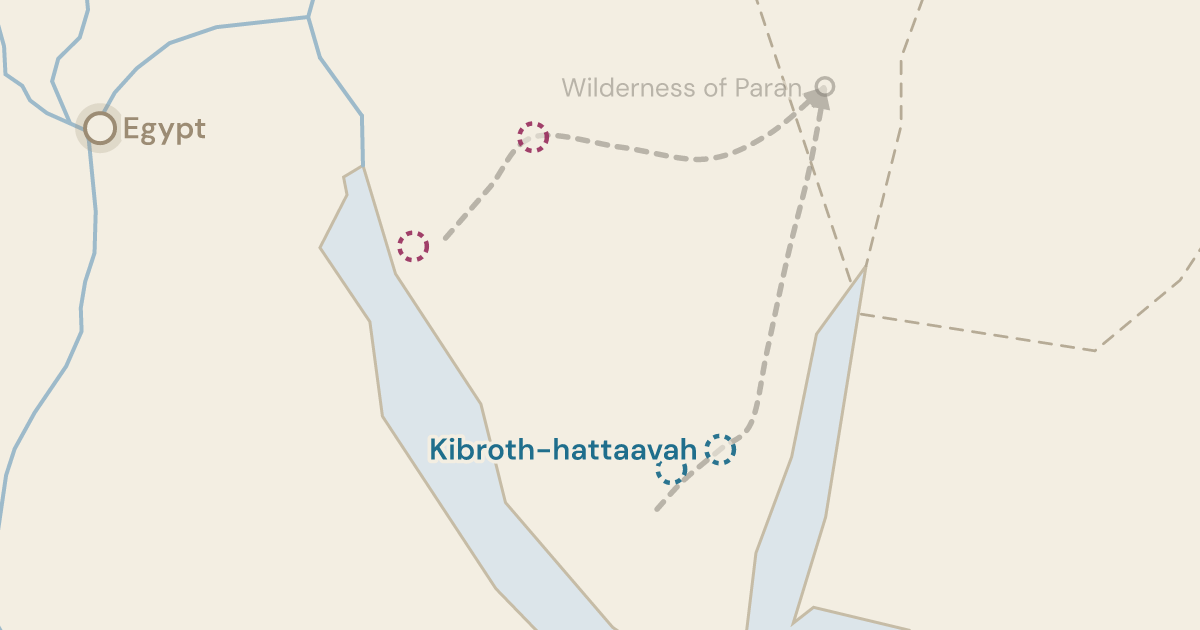
Then came the complaints. The judgment that fell on them gave the place its name, "Taberah." Right after that, they stopped and camped at a place called Kibroth-hattaavah, "the graves of lust," again from the judgment that fell on them. This was their first stop after leaving Sinai.
Why Judgment Fell This Time
Israel had asked for meat before, and quails came without punishment. What changed is the ground Israel now stood on:
The end of the chapter shows that the Lord gave them quails, in answer to their murmuring, and then dealt with them in His government (Num. 11:31-34). "He gave them their own desire; they were not turned away from their craving. But while their food was still in their mouths, the wrath of God came upon them, and killed the strongest of them, and struck down the chosen men of Israel" (Ps. 78:29-31)… I believe we really do get what we want. If I want meat, God will give it to me, but with it comes discipline and leanness of soul. The hand of God in government was on them here. It was not like the first case, in Exodus 16, where they asked, and God gave them quails. Then they stood on the ground of pure grace. Now, standing on the ground of responsibility, He acts differently. There it was sin met by grace, here it is sin judged in government.
Another writer traces the change to the law, and says God could not have waited:
This is God's righteous way of dealing with people under law. Later in their history He bore with them more patiently. But patience at this moment would have compromised the righteousness of God. Judgment had to fall at once. He had already displayed the ways of grace in full. If they choose law, they must learn God's ways as a Righteous Governor. And where people despise grace, judgment is always heavier.
Getting What You Craved
The graves were dug around a full meal. Israel was not denied, and that is the horror of it:
The closing paragraph of our chapter shows us the people enjoying the very thing their hearts had lusted for. It was a miserable and deadly enjoyment. "He gave them their request, but sent leanness into their soul." They got what they longed for and found it death. They would have flesh; and with the flesh came the judgement of God. This is most solemn. May we heed the warning! The poor heart is full of vain desires and hateful lusts. The heavenly manna fails to satisfy. There must be something else. God allows us to have it. But what then? Leanness — barrenness — judgement!
Feeding a craving does not end it. The very thing that displayed God's power for them left them emptier than before:
His very answer, which showed His power for them, brought nothing but leanness into their souls. So it is with the soul away from God: satisfying the thirst only increases it, as salt water does.
Prayer That Digs a Grave
Israel got what they asked for. One writer turns the name into a test for prayer:
So if the prayer is a mere lust, or asks for something to spend on lust, God does not answer it (James 4:3), or He answers it in chastisement — it becomes a Kibroth-hattaavah, a grave of lust. If it is in the Spirit, and the prayer of faith, He answers it according to what was asked. So prayer is tied to the moral state of the soul.
Graves Along Our Own Road
The graves were not left behind in the desert. One writer brings them right up to the present:
The graves of Kibroth-hattaavah — the "graves of lust" — lie all along the road by which we have reached our present place in the wilderness. Perhaps they have never been more common than in the church of today. So let everyone who reads this honestly face the question: have we so learned Christ as to have been taught by Him, as the truth is in Jesus?
Summary
- Craving. The heavenly manna failed to satisfy them. The heart wanted something else.
- Granted. God did not refuse. He gave them their request, and sent leanness into their soul along with it.
- Grave. They got what they longed for and found it death. The camp took its name from the judgment that fell there: the graves of lust.
- Government. The same murmuring once met pure grace. After Sinai it met God as Righteous Governor, and where people despise grace, judgment falls heavier.
- Guard. A prayer driven by lust goes unanswered, or God answers it in chastening. So ask honestly: have we learned Christ?