Numbers 11:3: A camp named for a fire, and placed only by the camp after it
Read it →Commentary on Numbers 11:3
A fire from the Lord burned at the edge of Israel's camp. It stopped when Moses prayed, but the name of the place kept the memory. Why fire now, when earlier complaints had brought no judgment? And why fix that memory in a name?
The name as a record
Scripture records the name twice, though the site itself can no longer be found:
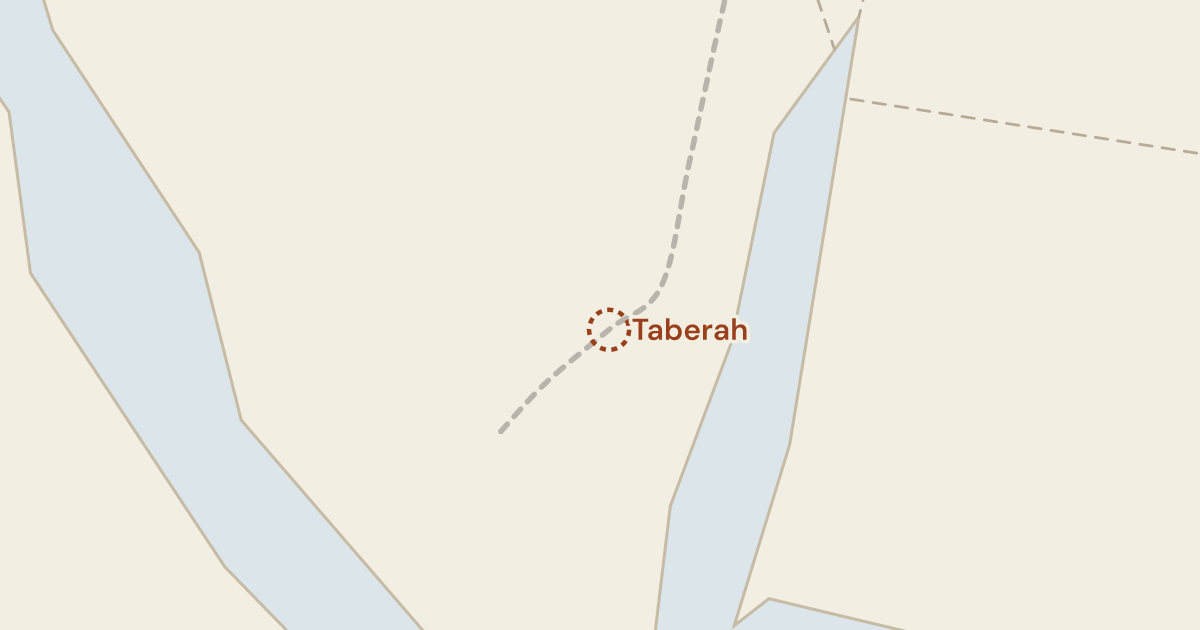
The name given to a place in the wilderness of Paran, where the Israelites murmured and the fire of the Lord consumed them until Moses prayed for them. The name means "burning." Numbers 11:1-3; Deuteronomy 9:22. Not identified.
Commentators differ on how to read the name. One takes it as a warning aimed at the people:
The people appealed to Moses, who prayed again as an effective intercessor, and the Lord quenched the fire. They named the place Taberah, which means "you may burn," and so it stood as a warning to Israel.
Why the memory was kept
The fire went out; the name stayed. One writer explains why that memory was worth keeping, and what it says about penalty:
At Moses' prayer it sinks, but its memory is rightly kept alive. The place is called "Taberah," which means such a burning as does its work. Do not confuse God's grace or His patience with any softening of the penalty. There was none at the cross, where the Son of God hung for us. There will be none wherever penalty is exacted. Righteousness itself never demands more than it must.
Mercy inside the judgment
The fire stayed at the edge of the camp. Commentators differ on whether anyone died in it; this writer reads the limit as mercy:
God's anger shows itself, and yet in a way that reveals its unwillingness to strike. A fire from the Lord burns and consumes at the far edge of the camp. It does not appear that it consumed any of the people. The warning is mercy. Yet it warns of a judgment that, if it strikes, will be severe enough to testify to the holiness that acts in it. God may delay His judgment, but if it takes its course, righteousness must exact its due.
Why fire now and not before
Israel had complained before, early in the journey, and no judgment followed. Something had changed in between:
The first three verses record what happened at Taberah, though they do not say what the people complained about. The people, however, were now clearly under the law that God had given, and had to face its judgment. Look back at Exodus 16 and 17, which record their murmurings and complaints before God gave the law. We at once see a difference. Then no judgment followed, as it did here. It illustrates the statement that "sin is not counted where there is no law" (Romans 5:13). It also illustrates another statement of the Apostle: "when the commandment came, sin came alive and I died" (Romans 7:9).
Another writer traces the same change to the promise the people themselves had made at Sinai:
The first occasion was pure grace. But between that scene in the wilderness of Shur and this one in the wilderness of Paran, Sinai had come in, and the people had promised obedience. They were too ready to say, "All that the LORD has spoken we will do." Now, under the chastening hand of God, they must suffer the bitter fruits of their rebellious unbelief.
The stragglers and their cry
One writer reads the outskirts as the place where the complainers had lagged behind:
Judgment fell as a result of this murmuring on those at the far edge of the camp. Most likely those who complained fell behind and expressed a desire not to go forward. The fire burned among these; there is no record, however, of this first judgment. Mercy must have tempered it. And the people did not turn to the Lord in this hour of punishment, but cried to Moses. When he prayed, the fire went out.
The root the fire exposed
Nothing had gone wrong. No enemy, no hunger, no hardship — and still they murmured:
There is a source of discontent in man's heart that does not need circumstances to bring it out. It is important that this should be clear from the beginning. In a world like this, trials will arise. There will be evils, and many of them. God's Word never hides them from us; it insists on them. The world really is a wilderness in God's account, and it should be so in ours. The longing after Egypt shows, not that we have judged too deeply, but not deeply enough. Yet, quite apart from circumstances, there is enough within us to make heaven itself wearisome, if we could carry it there.
Summary
- Cause: nothing outside the camp set off the complaining. The discontent came from within, and it would spoil heaven itself.
- Fire: the burning reached only the edge of the camp. It was real enough to be felt, restrained enough to be a warning.
- Cry: under the flames the people ran to Moses rather than to God, and his prayer put the fire out.
- Name: Taberah means "burning." One writer reads it as "you may burn" — a caution left standing after the flames were gone.
- Lesson: grace and patience never shrink the penalty. There was none at the cross, and none wherever penalty is paid.