Exodus 7:20: The first plague falls on the river the whole of Egypt lives by
Read it →Commentary on Exodus 7:20
Egypt's whole life ran through one river, and it was the river God struck first. Moses lifted the rod in full view of Pharaoh and his servants, and the water turned to blood — a blow against Israel's oppressor and against the god Egypt trusted.
Life Turned Into Death
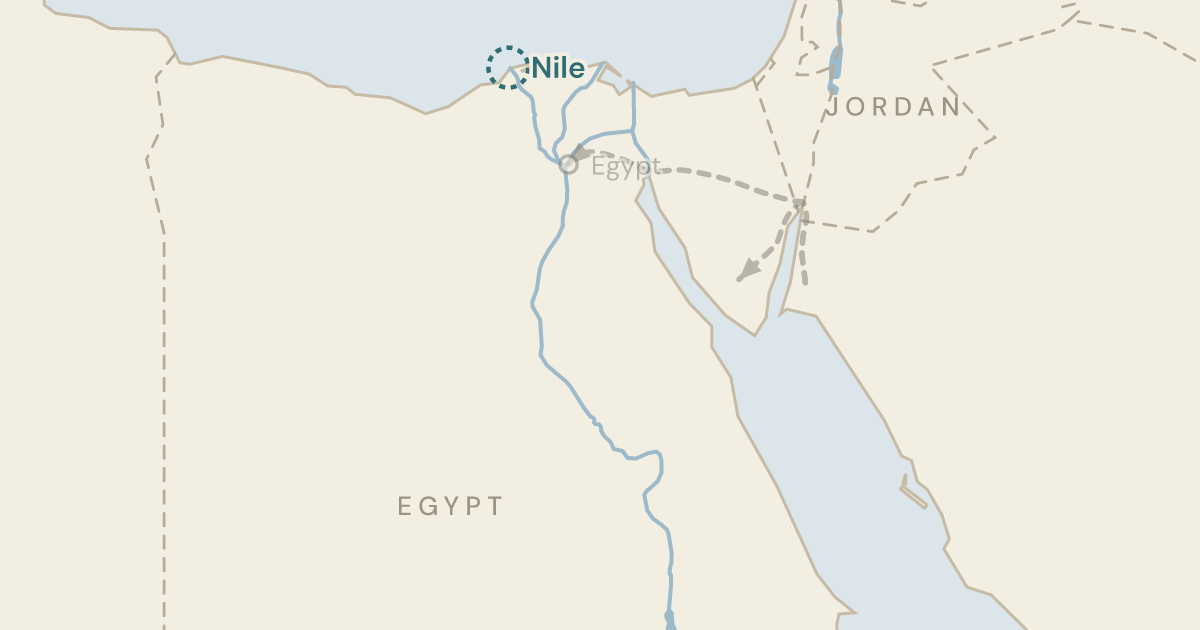
The Nile was not one resource among many. Egypt watered its fields from it and worshipped it — and that is where the first blow fell.
The river watered the land through its many channels. It was the very sign that Egypt did not need heaven. They worshipped it as a god, and yet could claim it as their own making (Ezekiel 29:3) — two things that always go well together in idolatry. God turned that river into blood, so that they could not drink of it. What supports life becomes the very symbol of death — death by violence, the penalty carried out. This is not just nature rising up against them. It is penalty from the Creator of nature — death from the Life-giver.
A Real Miracle, Not A Colour Change
Some say the water only looked red, as the Nile sometimes did on its own. The account answers that.
Was that a miracle, or was it red colouring matter that at times appeared in the river? It was a miracle. All the water of the river had become blood. The proof of that was abundant. The fish in the Nile died, the river stank, and the Egyptians could not drink the water of the river. The water was pleasant to drink, and in a moment it became disgusting. One important source of food, within reach of the poorest person, was cut off. The fish were clearly plentiful (Numbers 11:5), and they all died at once. Hapi, the Nile god, could not prevent it.
Aimed At Egypt's God
Moses struck the water in front of Pharaoh and his servants. Pharaoh had come down to the river that morning, and the timing matters.
Those who have studied the records of ancient Egypt tell us that the Egyptians worshipped the Nile as one of the chief gods of that land of idols. Remember that when the first plague struck the river, Pharaoh was going in the same direction that morning (Exodus 7:15). It gives us the impression that he was going out to worship the Nile-god, and at that very moment his god was struck.
Behind Pharaoh stood a greater enemy.
He dealt this way with Pharaoh because Pharaoh oppressed His people, and because Pharaoh pictured the god of this world. So His conflict was with Pharaoh and with everything Pharaoh trusted in. We therefore read that He executed judgment upon the gods of Egypt (Exodus 12:12; Numbers 33:4). It was the brilliant display of God's victorious power in the stronghold of Satan.
What The Magicians Could And Could Not Do
The court magicians copied the sign. Look at what their copy proved.
In a small way the magicians did what Moses had done. By their enchantments — that is, by calling on their gods — they turned water into blood wherever they could find it. Their actions say, "By the power of our gods we can turn life into death. We can add to the misery that comes from the judgment of God." But their power stopped there. They could not turn death into life. They could not pass from death into life. God does this work, and God alone.
The Rod That Struck The River
God later sent Moses to bring water from a rock, and named the rod by what it had done here.
Here we have a picture of Christ struck for us, by the hand of God, in judgment. The reader will notice the expression, "the staff with which you struck the Nile." Why the Nile? Why mention this particular stroke of the rod? Exodus 7:20 gives the answer... The same rod that turned the water into blood would later strike the Rock — and that Rock was Christ — so that streams of life and refreshment might flow for us.
A Pattern Repeated At The End
One river's fate previews a wider judgment still ahead.
All this points to a terrible second acting out of these things. The second angel pours out his bowl of the wrath of God on the sea, and it becomes like the blood of a corpse. The third angel pours his bowl on the rivers and the springs of water, and they become blood. Death marked everything — not only the masses of nations and of men, but the springs and outflows of all human things in that day.
Summary
- River — Egypt's source of life became its symbol of death, struck by the same God who gave it.
- Real — the dead fish, the stench and the undrinkable water show a true miracle, not a seasonal discolouring.
- Rivals — the plague fell on the Nile-god as Pharaoh approached to worship, and the magicians could imitate death but never reverse it.
- Rock — the rod that turned water to blood later struck the rock, a picture of Christ struck in judgment so that life could flow out to us.
- Reckoning — commentators read the plague as a preview of a coming day when the springs of human life turn to blood again.